

What should you do after an AFL or soccer injury?
After an AFL or soccer injury, early assessment and appropriate rehabilitation can help reduce recovery time, restore movement, and lower the risk of re-injury. Common injuries such as ankle sprains, hamstring strains and ACL injuries often benefit from early physiotherapy and progressive loading rather than complete rest.
Introduction
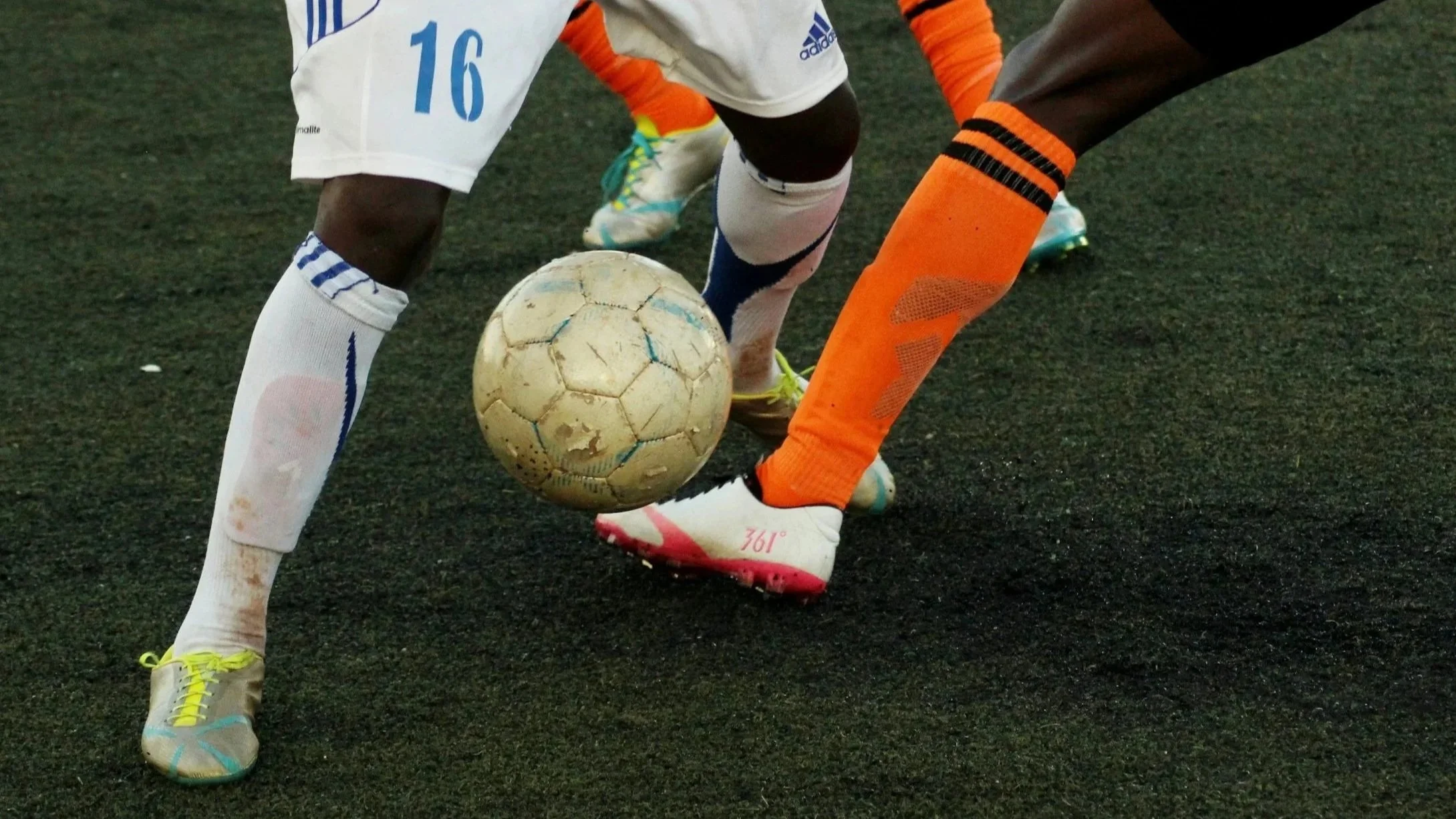
AFL and soccer are fast-paced sports that place significant demands on the body. Sprinting, cutting, tackling, jumping and repeated changes of direction can all increase injury risk throughout the season.
Whether it's an ankle sprain after landing awkwardly, a hamstring strain during a sprint, or a significant knee ligament injury, the decisions made in the first few days can have a major impact on recovery.
At Kinima Physio, we help athletes navigate both the acute phase of injury and the pathway back to performance through evidence-based rehabilitation and return-to-sport planning.
What Is an Acute Injury?
Acute injuries occur suddenly and are usually linked to a specific event such as an awkward landing, a sharp change of direction, or contact during play.
Common symptoms include:
Immediate pain
Swelling
Bruising
Reduced movement
Difficulty weight bearing
Common acute injuries in AFL and soccer include:
Lateral ankle sprains
Hamstring strains
Calf muscle tears
Knee ligament injuries, including MCL and ACL injuries
One of the biggest misconceptions in sport is that acute injuries simply require rest until the pain settles.
In reality, early injury management can have a significant influence on recovery time, re-injury risk and long-term performance.
Why Early Injury Management Matters
Appropriate early management can help reduce prolonged symptoms and minimise setbacks later in the season.
While complete rest was previously considered the gold standard, modern sports physiotherapy focuses on early assessment, symptom-guided loading, and restoring movement as soon as safely possible.
A thorough assessment helps determine:
The severity of the injury
Which structures are involved
Expected recovery timelines
Appropriate rehabilitation progressions
Whether imaging or specialist referral is required
Lateral Ankle Sprains
Lateral ankle sprains are among the most common injuries in both AFL and soccer. They typically occur when the foot rolls inward during landing, changing direction, or contact situations, placing stress on the ligaments on the outside of the ankle.
Mild Ankle Sprains
A mild ankle sprain generally involves a lower-grade ligament injury with minimal instability.
Athletes will often:
Walk relatively comfortably
Have mild swelling
Maintain most ankle movement
Experience pain with hopping, running or changing direction
Early Management Priorities
The initial goal is to settle irritation while avoiding unnecessary unloading.
This may include:
Activity modification
Compression
Elevation
Gradual weight bearing as tolerated
Early Movement
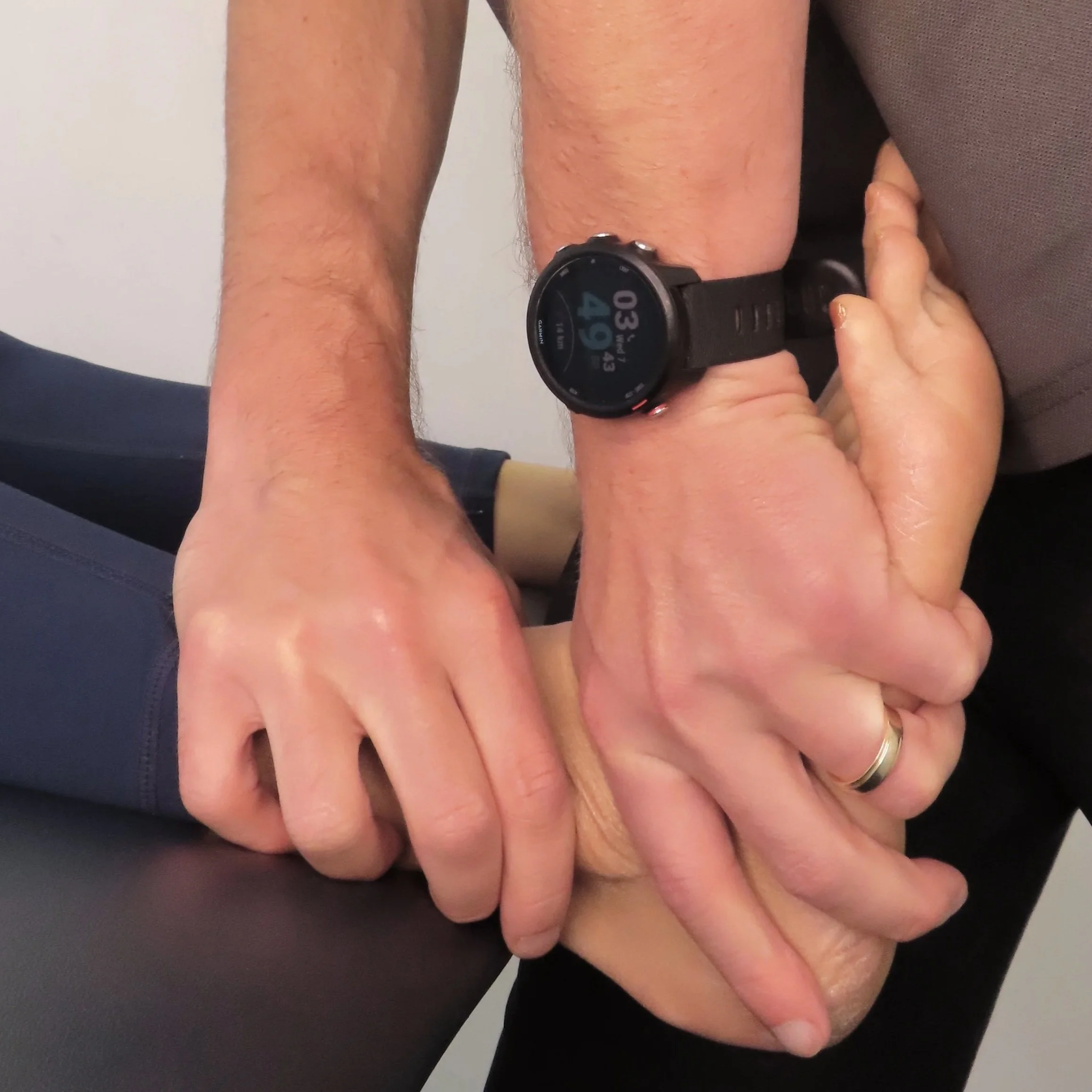
Restoring ankle movement early is important to minimise stiffness and maintain joint function.
Examples include:
Ankle range of motion exercises
Gentle dorsiflexion mobility
Controlled calf raises
Progressive Loading
As symptoms improve, rehabilitation progresses into:
Single-leg balance and proprioception exercises
Calf strengthening
Low-level hopping drills
The focus then shifts towards higher-level function, including running, jumping, change of direction and sport-specific agility.
Moderate to Severe Ankle Sprains
Moderate to severe ankle injuries often involve:
Greater ligament damage
Significant swelling and bruising
Difficulty weight bearing
Reduced ankle range of motion
Higher levels of instability
Associated injuries may also occur, including:
Syndesmosis injury
Cartilage injury
Bone bruising
Peroneal tendon involvement
Fracture
These injuries often require imaging and more detailed assessment.
Early Management Priorities
The focus during the acute phase is protecting healing tissues while maintaining as much movement as tolerated.
Management may include:
Moon boot support
Crutches
Modified weight bearing
Activity restriction
Gentle active movement
Restoring Movement and Strength
Moderate and severe ankle injuries commonly result in losses of:
Ankle mobility
Calf strength
Balance
Lower limb power
As symptoms settle, rehabilitation progresses in a similar manner to milder injuries but follows a more structured, criteria-based approach.
Need Help With a Sports Injury?
Whether you're dealing with an ankle sprain, muscle strain or knee injury, early assessment can help guide your recovery and return to sport.
Knee Ligament Injuries
Knee ligament injuries range from relatively mild MCL sprains through to more significant ACL injuries requiring long-term rehabilitation.
These injuries commonly occur during twisting, pivoting, landing and contact situations.
Symptoms often include:
Swelling
Pain
Instability
Difficulty weight bearing
The acute phase is particularly important because swelling and restricted movement can quickly lead to muscle inhibition and reduced function.
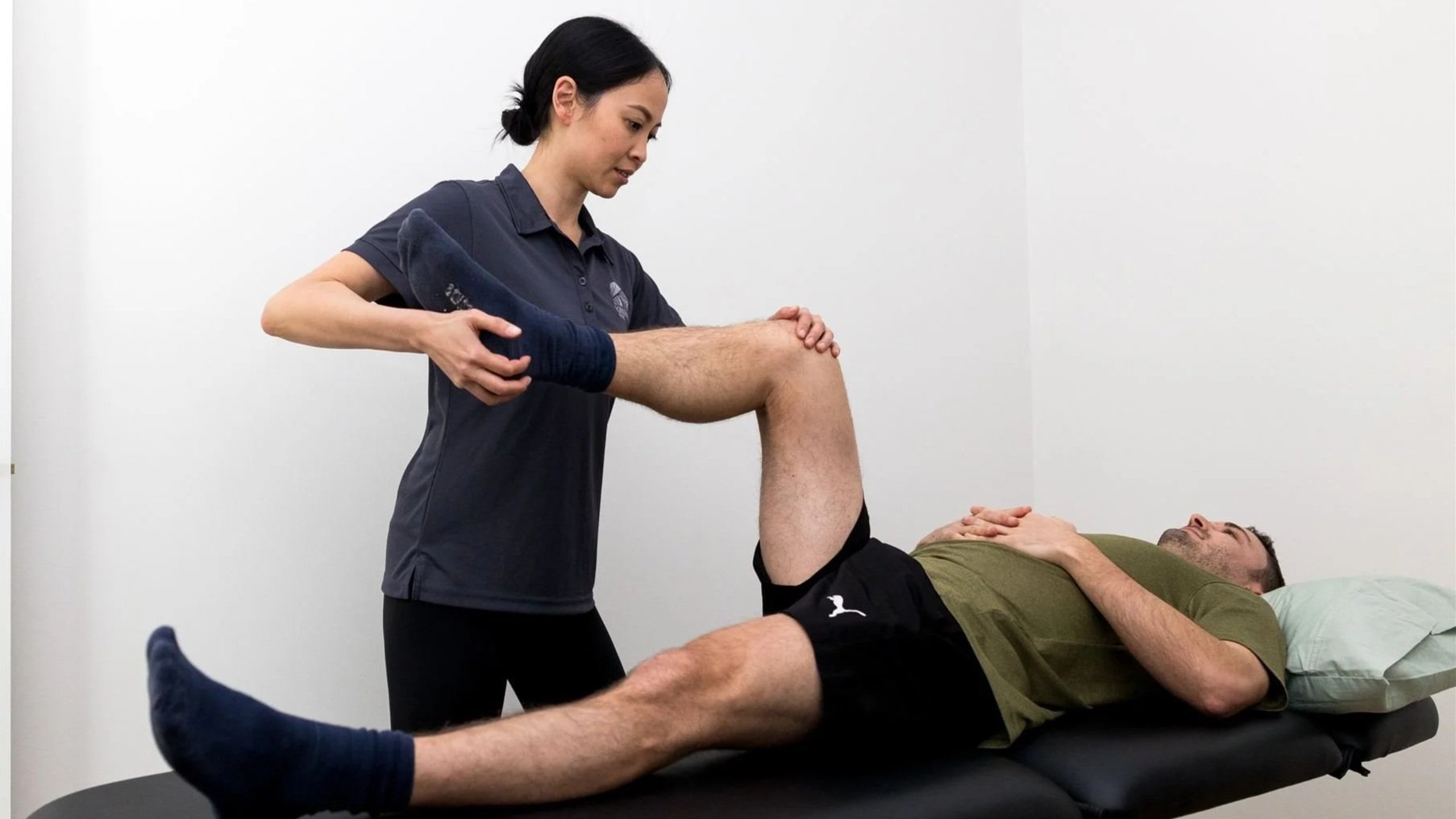
Early rehabilitation commonly focuses on:
Reducing swelling
Restoring knee extension range of motion
Regaining quadriceps activation
Improving walking mechanics
When Is Surgery Considered?
The decision regarding ACL reconstruction is influenced by factors such as:
Sporting goals
Degree of instability
Associated injuries
Age and activity levels
Occupational demands
Previous knee injuries
Some individuals can function well without an ACL, particularly in lower-demand activities.
However, AFL and soccer athletes often experience ongoing instability during cutting and pivoting movements, increasing the risk of further meniscal or cartilage injury.
The Initial Phase After ACL Injury
Following an ACL rupture, the knee is often:
Swollen
Painful
Stiff
Difficult to fully straighten
Associated with reduced quadriceps activation
Before surgery is considered, many athletes enter a prehabilitation phase.
The goals include:
Reducing swelling
Restoring knee extension
Improving quadriceps strength
Normalising walking
Rebuilding confidence in movement
This stage is extremely important, as athletes who regain movement and strength prior to surgery often recover more effectively afterwards.
As rehabilitation progresses, athletes transition into:
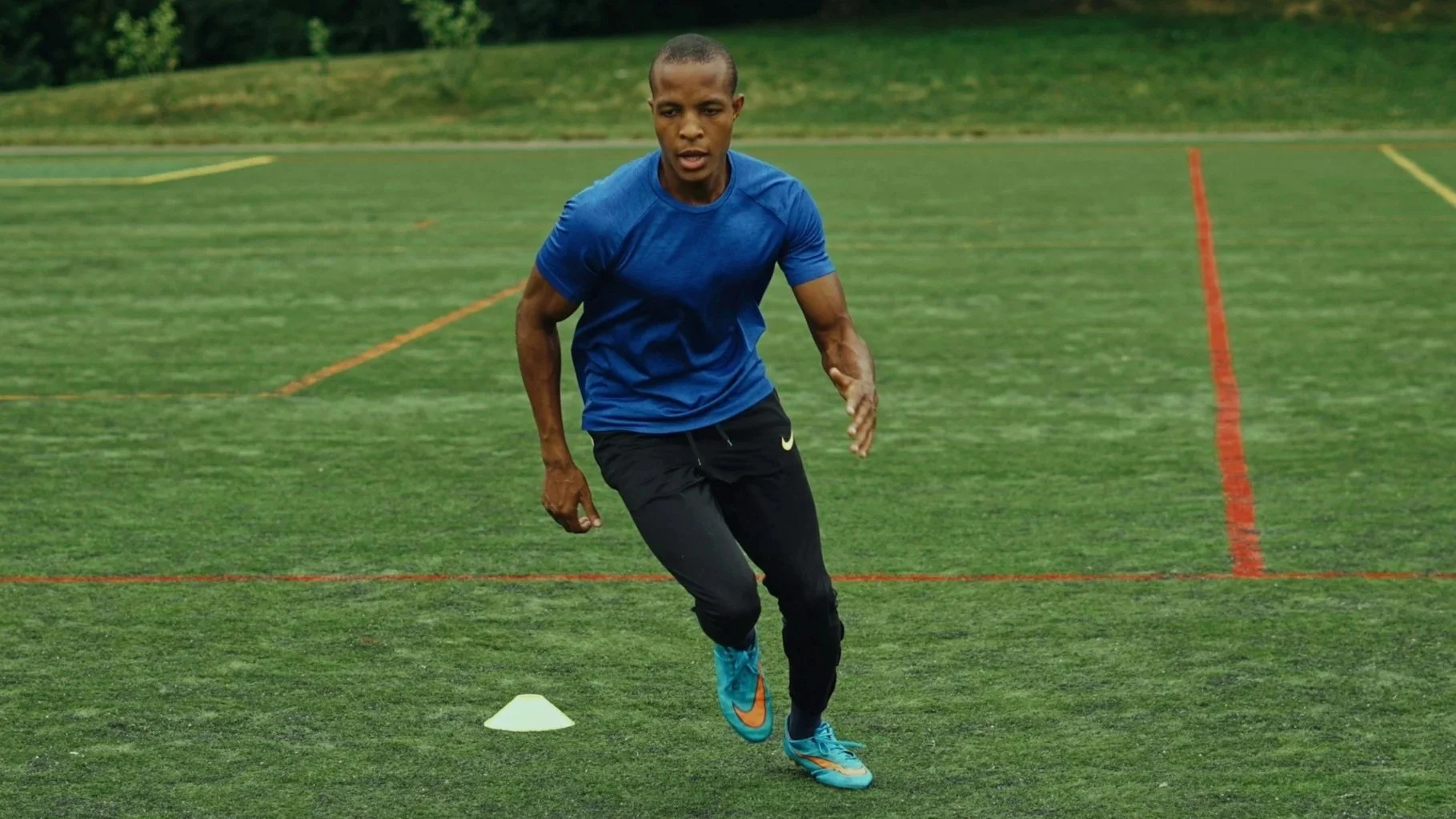
Running progressions
Plyometrics
Deceleration training
Cutting and change of direction drills
Sport-specific conditioning
Throughout rehabilitation, objective testing can help guide decision-making and monitor progress. Tools such as force plates and strength testing provide valuable information about lower limb strength, power and asymmetries before returning to training and competition.
For higher-grade ligament injuries, particularly ACL injuries, return to sport should be guided by objective criteria and performance markers rather than timelines alone.
When Should You See a Physiotherapist?
If you've recently sustained an injury during AFL or soccer, it may be worth seeking assessment if you experience:
Significant swelling
Difficulty walking or weight bearing
Loss of strength
Ongoing instability
Reduced range of motion
Symptoms that are not improving over the first few days
Early assessment can help identify the structures involved, determine whether imaging is required, and provide a clear rehabilitation plan to support recovery and return to sport.
A Performance-Focused Approach to Rehabilitation
At Kinima Physio, our approach combines early injury management with progressive strength and conditioning to help athletes return confidently to training and competition.
Depending on the injury, treatment may include exercise-based rehabilitation, strength and conditioning, manual therapy, dry needling, and objective testing to guide return-to-sport decision-making.
Whether your goal is returning to community sport, WAFL, soccer, running or simply moving confidently again, rehabilitation should be individualised, progressive and focused on long-term outcomes, not just short-term symptom relief.
Ready to get back to training and competition?
Whether you're dealing with an ankle sprain, knee injury or muscle strain, our team can help guide your recovery and return to sport.
About the Author
Written by Caitlin Vallelonga
Physiotherapist, Kinima Physio
Caitlin has a special interest in sporting injuries, strength and conditioning, and return-to-sport rehabilitation. As a WAFLW footballer, she understands the physical demands of field sports and enjoys helping athletes recover from injury, rebuild confidence, and return to competition.
Caitlin consults from our Kinima Physio West Leederville clinic, working with AFL players, soccer athletes, runners and active individuals across Perth.