
Muscle Strain Recovery: Why Early Rehab and Progressive Loading Matter
Muscle strains are one of the most common injuries we see at Kinima Physio, affecting everyone from runners and gym-goers to active parents and office workers. Whether it’s a hamstring strain during sport, a calf injury on a run, or a painful back muscle after lifting awkwardly, the way the injury is managed early can significantly influence recovery, return to activity, and long-term resilience.
While muscle strains are common, what often determines how quickly, and how well, an injury settles isn’t just the injury itself, but how it’s managed from day one through to full return to activity.
What is a Muscle Strain?
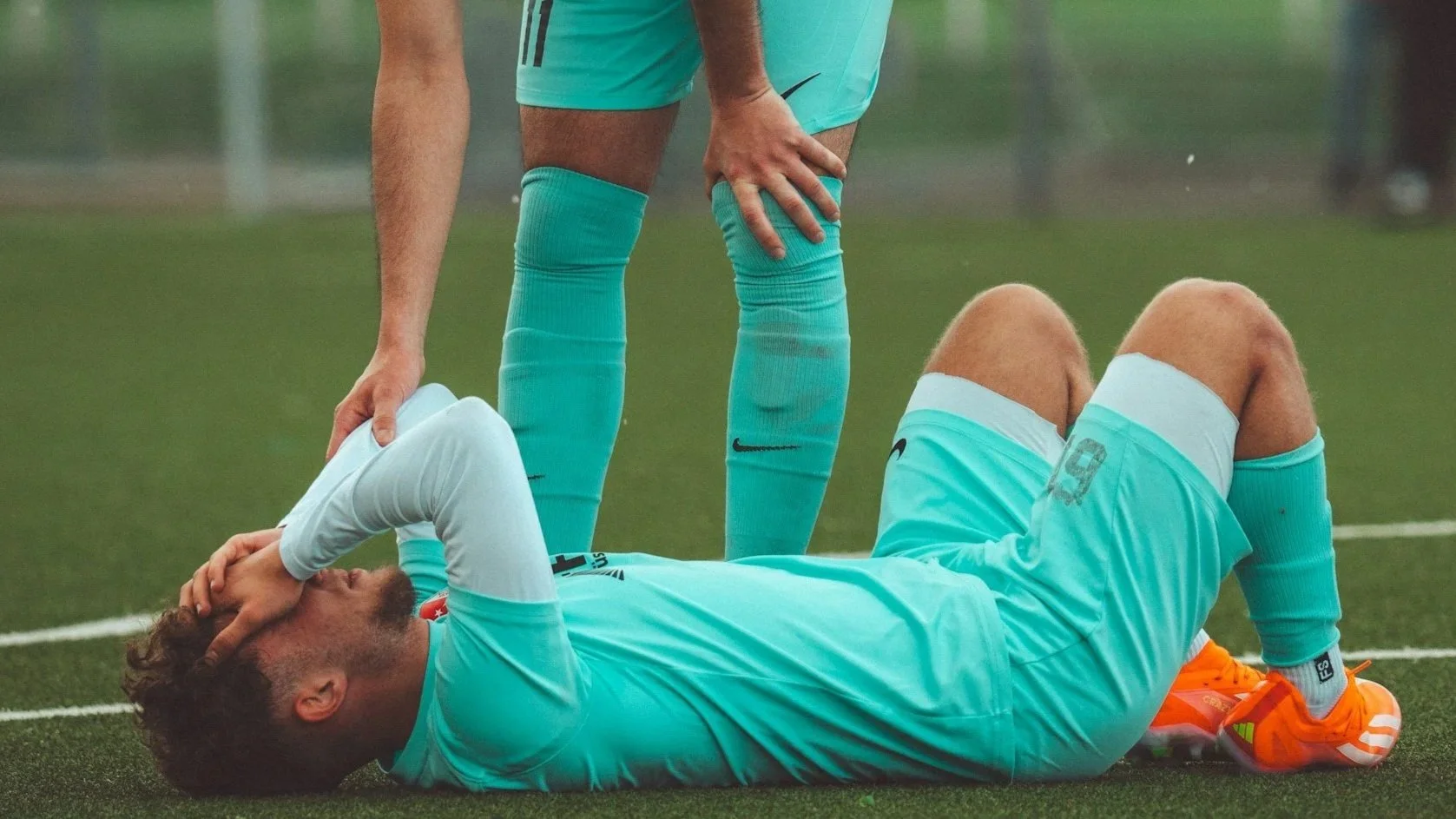
A muscle strain occurs when muscle fibres are loaded beyond their capacity, leading to microtearing or, in more severe cases, partial or complete rupture.
Basic Grading System
Muscle strains are typically classified into three grades:
Grade I (Mild): Small number of fibres involved, minimal strength loss, often feels like tightness or a “niggle”
Grade II (Moderate): Greater fibre disruption, pain with contraction, reduced strength and function
Grade III (Severe): Complete tear, significant loss of function, often requiring longer rehabilitation and occasionally surgical input
While grading gives us a rough guide, it’s not always the most important predictor of recovery. How the tissue is progressively loaded and strengthened over time often matters more.
The Three Stages of Healing
Muscle healing follows a predictable biological process. Understanding this helps guide what you should, and shouldn’t, be doing at each stage.
1. Inflammatory Phase (0–5 Days)
Immediately after injury, the body initiates an inflammatory response. This is often associated with pain, swelling, and reduced function, but it’s also a necessary part of healing.
Inflammation brings blood flow, nutrients, and immune cells to the area to begin repair. Suppressing this process too aggressively can sometimes delay recovery.
2. Repair Phase (5–21 Days)
New muscle tissue begins forming, but it’s initially disorganised and relatively weak. This is where controlled movement and loading become critical in helping muscle fibres realign effectively.
3. Remodelling Phase (3 Weeks – Several Months)
The tissue matures, strengthens, and adapts to load. This stage is often underestimated and is where many re-injuries occur when rehabilitation is cut short.
Early Management: Moving Beyond RICE to PEACE & LOVE
For years, the default advice for muscle injuries was rest and ice. However, modern physiotherapy has shifted toward a more active and evidence-informed approach.
PEACE (First 1–3 Days)
Protect: Reduce aggravating activities, but avoid complete rest
Elevate: Assist with swelling management
Avoid anti-inflammatories: Allow the body’s natural healing process to occur
Compress: Support swelling control where appropriate
Educate: Understand that recovery takes time and active input
Importantly, prolonged rest is no longer recommended. Too much inactivity can reduce tissue quality and delay recovery.
LOVE (After the Initial Phase)
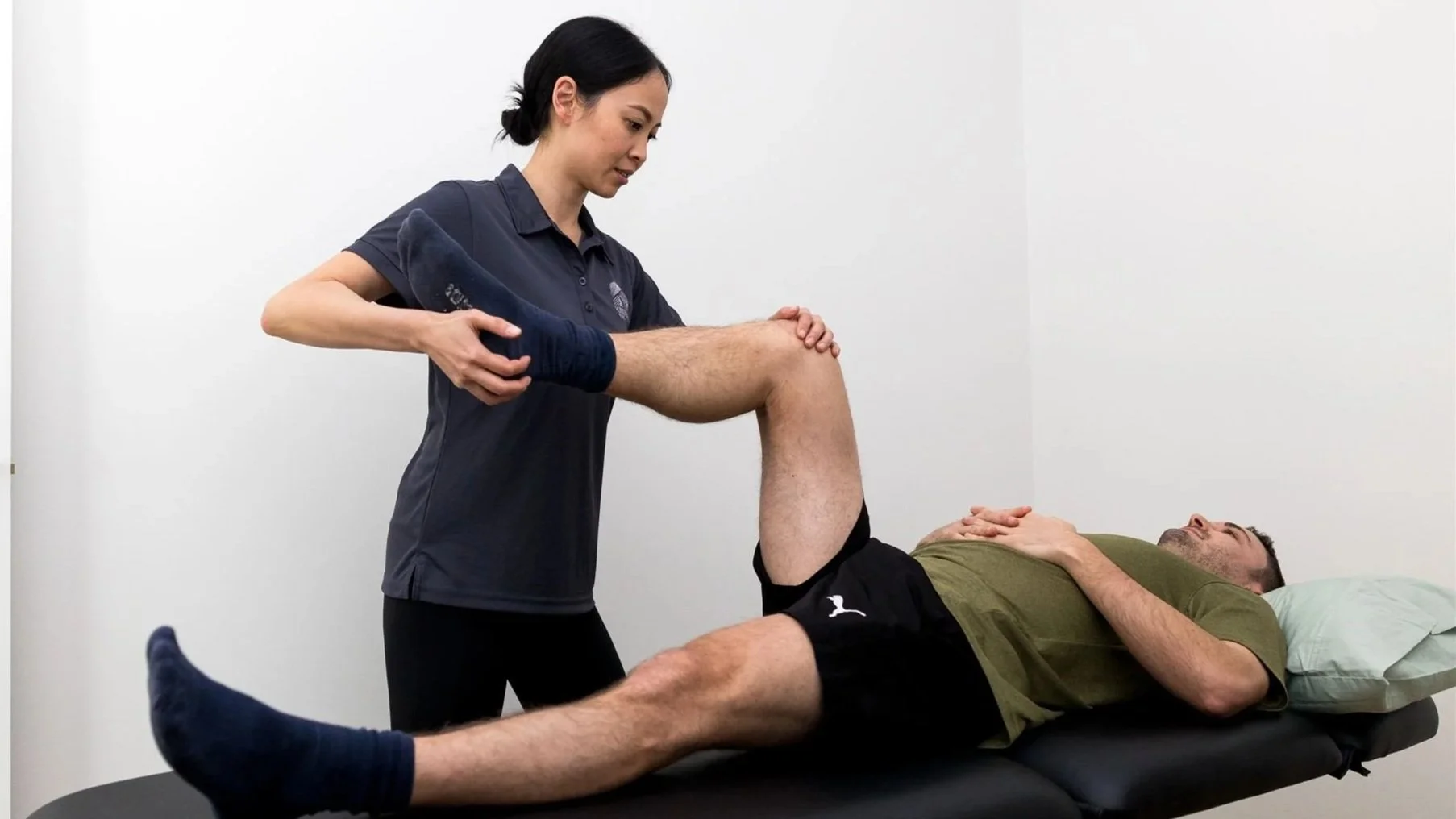
Load: Gradually reintroduce movement and resistance
Optimism: Positive expectations influence outcomes
Vascularisation: Encourage blood flow through aerobic activity
Exercise: Restore strength, flexibility, and control
This reflects an important principle in modern rehabilitation: muscles heal best when they are progressively loaded, not protected indefinitely.
When Can You Return to Exercise After a Muscle Strain?
One of the biggest mistakes in muscle strain rehab is either doing too much too soon, or not doing enough for long enough.
Early Stage
In the first week, loading may include:
Pain-limited isometric exercises (holds)
Gentle range of motion
Modified daily activities
The goal is to maintain some stimulus without disrupting the healing process.
Mid Stage
As symptoms settle, rehabilitation progresses toward:
Through-range strengthening
Gradually increasing load and movement
Functional exercises relevant to the individual
This stage often forms an important part of hamstring strain rehab and calf strain rehabilitation, particularly for runners and field sport athletes returning to higher speed and impact activities.
Late Stage
This is where rehabilitation often needs to go further than people expect:
High-load strengthening
Plyometrics or sport-specific drills
Exposure to speed, stretch, and fatigue
This stage is essential in sports injury rehabilitation and reducing the risk of re-injury when returning to training, running, or competition.
Is Some Pain During Rehab Normal?
It’s common to experience some discomfort during rehabilitation, particularly as strength and activity levels increase.
In many cases, mild and manageable pain during exercise is acceptable and doesn’t necessarily mean further damage is occurring. The key is ensuring symptoms settle appropriately and that loading progresses gradually and strategically.
Why “Feeling Better” Isn’t the Finish Line
A common trap is stopping rehabilitation once pain settles.
Pain often improves well before the tissue has fully remodelled. While you may feel “normal,” the muscle is still regaining:
Strength
Elasticity
Load tolerance
Coordination under fatigue
This is one reason why re-injury rates following muscle strains can be high.
The remodelling phase can last weeks to months, and this is where resilience is truly built. Returning to activity too early often means returning with a tissue that isn’t fully prepared.
Addressing Contributing Factors
At Kinima Physio, rehabilitation isn’t just about the injured muscle. It’s about understanding why the injury occurred in the first place.
This may include:
Strength deficits
Poor load management or sudden spikes in activity
Mobility restrictions
Running or movement mechanics
Fatigue and recovery factors
Addressing these contributing factors can help reduce the risk of recurrence and improve overall performance.
Practical Takeaways
Don’t completely rest, early and guided movement is beneficial
Respect the stages of healing, each phase has a purpose
Progress gradually, load is medicine but it needs the right dosage
Don’t stop rehabilitation too early, remodelling takes time even when pain settles
Rebuild properly, stronger and more resilient tissue helps reduce re-injury risk
Final Thoughts
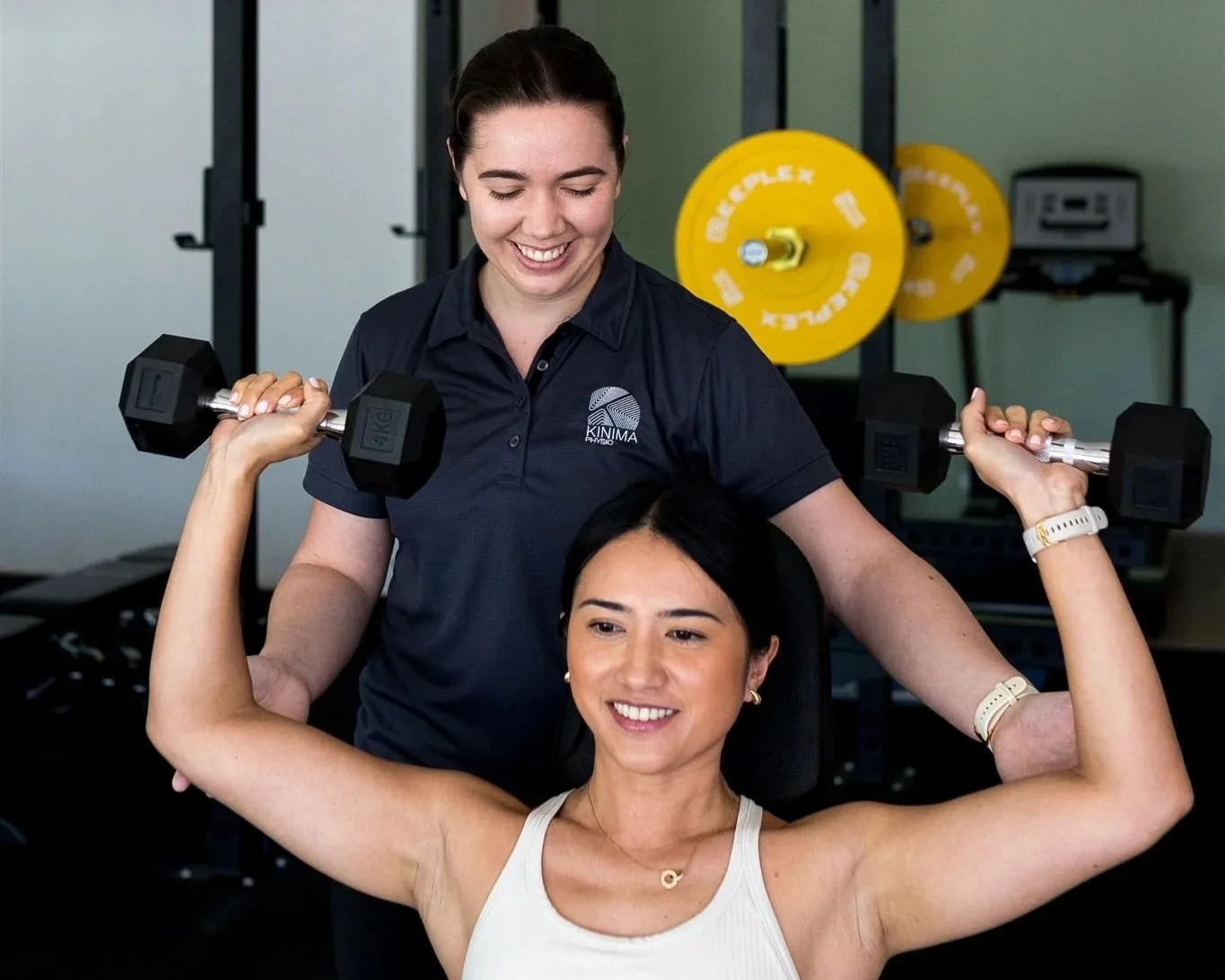
Muscle strains are rarely injuries that simply improve with rest alone. A well-structured rehabilitation plan that progresses from early protection through to strength, power, and return to activity can make a significant difference to both recovery and long-term resilience.
Michelle Logue is a physiotherapist at Kinima Physio in West Leederville with a strong interest in exercise-based rehabilitation, strength training, and helping people return confidently to the activities they enjoy. She works with a wide range of clients including runners, weekend warriors, field sport athletes including Gaelic football players, and senior clients looking to stay active and independent.
If you’re dealing with a muscle strain or unsure how to safely return to activity, Michelle and the team at Kinima Physio can help guide your recovery.