

Common Volleyball Injuries (And When To See a Physio)
What are the most common volleyball injuries?
The most common volleyball injuries include shoulder rotator cuff pain, patellar tendinopathy (jumper’s knee), ankle sprains, lower back pain, and finger injuries. These are typically caused by repeated jumping, landing, and overhead movements during training and matches.
Early assessment and appropriate rehabilitation can help manage symptoms, reduce injury risk, and support a safe return to play.
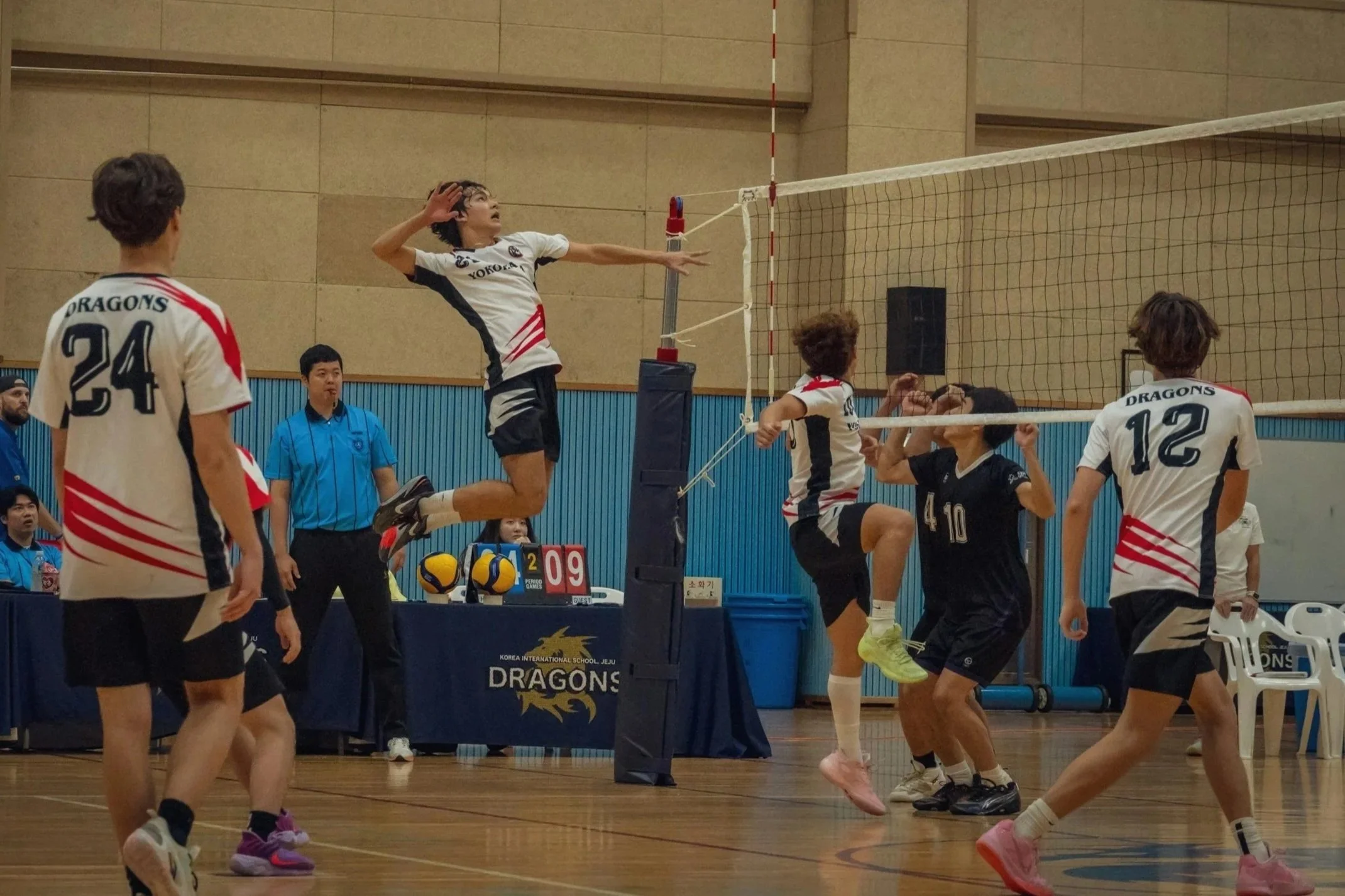
Volleyball is a fast, explosive sport that places high demands on the body, particularly through repeated jumping, landing, and overhead movements.
In the clinic, we commonly see volleyball players dealing with shoulder, knee, ankle and back injuries that can impact both performance and consistency.
In this blog, we break down the most common volleyball injuries, how they present, and when it might be time to see a physiotherapist.
At Kinima Physio, we work with volleyball athletes to prevent and manage injury through sport-specific assessment, targeted rehabilitation, and clear planning, helping you stay on the court and perform at your best.
Rotator Cuff Related Shoulder Pain
Overhead athletes are particularly prone to shoulder injuries due to the demands of repeated spiking and serving.
The rotator cuff plays a key role in stabilising the shoulder during these movements. When load exceeds capacity, especially during spikes in training or competition, irritation can occur.
Common signs include:
Pain at the front or side of the shoulder, especially with serving or spiking
Reduced power or control overhead
Difficulty lifting the arm comfortably
Night pain when lying on the affected side
Early fatigue during games or training
If you notice a sudden drop in strength or range, it’s worth getting assessed early.
Rotator cuff related shoulder pain rehabilitation typically focuses on improving load tolerance, rotator cuff strength, and scapular control specific to volleyball demands.
Lower Back Pain and Sprain
Lower back pain is common in volleyball due to repetitive extension, rotation, and high-force movements.
Spikes, serves and repeated jumping can place significant load through the lumbar spine, particularly when fatigue sets in or training volume increases.
Common signs include:
Localised lower back pain, worse with arching or rotation
Stiffness, especially after training or in the morning
Muscle tightness or spasm
Reduced power through the trunk
Discomfort with prolonged sitting
If pain persists or limits your ability to train, early management is important.
Management focuses on restoring movement, building trunk and hip strength, and improving landing and movement mechanics.
Patellar Tendinopathy (Jumper’s Knee)
One of the most common injuries in volleyball, driven by the high volume of jumping and landing.
The patellar tendon can become overloaded when demand exceeds capacity, particularly during spikes in training or competition.
Common signs include:
Pain at the bottom of the kneecap
Pain that improves with warm-up but worsens after activity
Tenderness when pressing on the tendon
Stiffness after sitting or in the morning
Reduced jump height or explosiveness
If knee pain symptoms persist beyond a couple of weeks or begin to impact performance, it’s worth addressing early.
Management focuses on progressive loading, strength development, and appropriate modification of jump volume.
Ankle Sprains
Ankle sprains are extremely common in volleyball, often occurring during landing, particularly at the net.
Common signs include:
Swelling around the ankle
Pain with walking or weight-bearing
Bruising
Feeling of instability or “giving way”
Reduced ankle movement
Early rehabilitation is important to reduce the risk of ongoing instability or recurrent injury.
Short-term support such as taping or bracing may help, alongside a structured strength and control program.
Finger and Thumb Injuries
Finger injuries are a frequent part of volleyball, particularly during blocking or ball contact.
These may include sprains, dislocations, or ligament injuries.
Common signs include:
Localised joint pain after contact
Swelling or stiffness
Difficulty bending or straightening
Visible deformity in more severe cases
Feeling of instability
If there is significant swelling, deformity, or loss of movement, it’s important to get assessed to rule out more serious injury.
Final Thoughts
Volleyball places significant demand on the shoulders, knees, ankles and lower back.
Managing training load, building strength, and addressing symptoms early can make a big difference to both performance and long-term resilience.
If an injury does occur, early assessment and a clear rehabilitation plan can help you stay active and return to play with confidence.
Written by Jordan Han
Volleyball Physiotherapist, Kinima Physio
Jordan has a background in Exercise Science and Physiotherapy, with a strong interest in managing sporting injuries and helping athletes return to performance. As both a volleyball player and coach, he understands the demands of the sport and the importance of staying on the court.
Jordan consults from our Kinima Physio Gwelup clinic, working with clients from Gwelup, Stirling, Innaloo, surrounding northern suburbs and volleyballers thoughout Perth, Western Australia.