

5 Common Tendon Injuries (And How Physiotherapy Can Help)
What are the most common tendon injuries?
The most common tendon injuries include elbow tendinopathy, gluteal tendinopathy, proximal hamstring tendinopathy, patellar tendinopathy, and Achilles tendinopathy. These injuries are typically caused by repetitive overload or a sudden increase in activity.
With the right rehabilitation approach, tendons can respond well to progressive loading and structured physiotherapy.
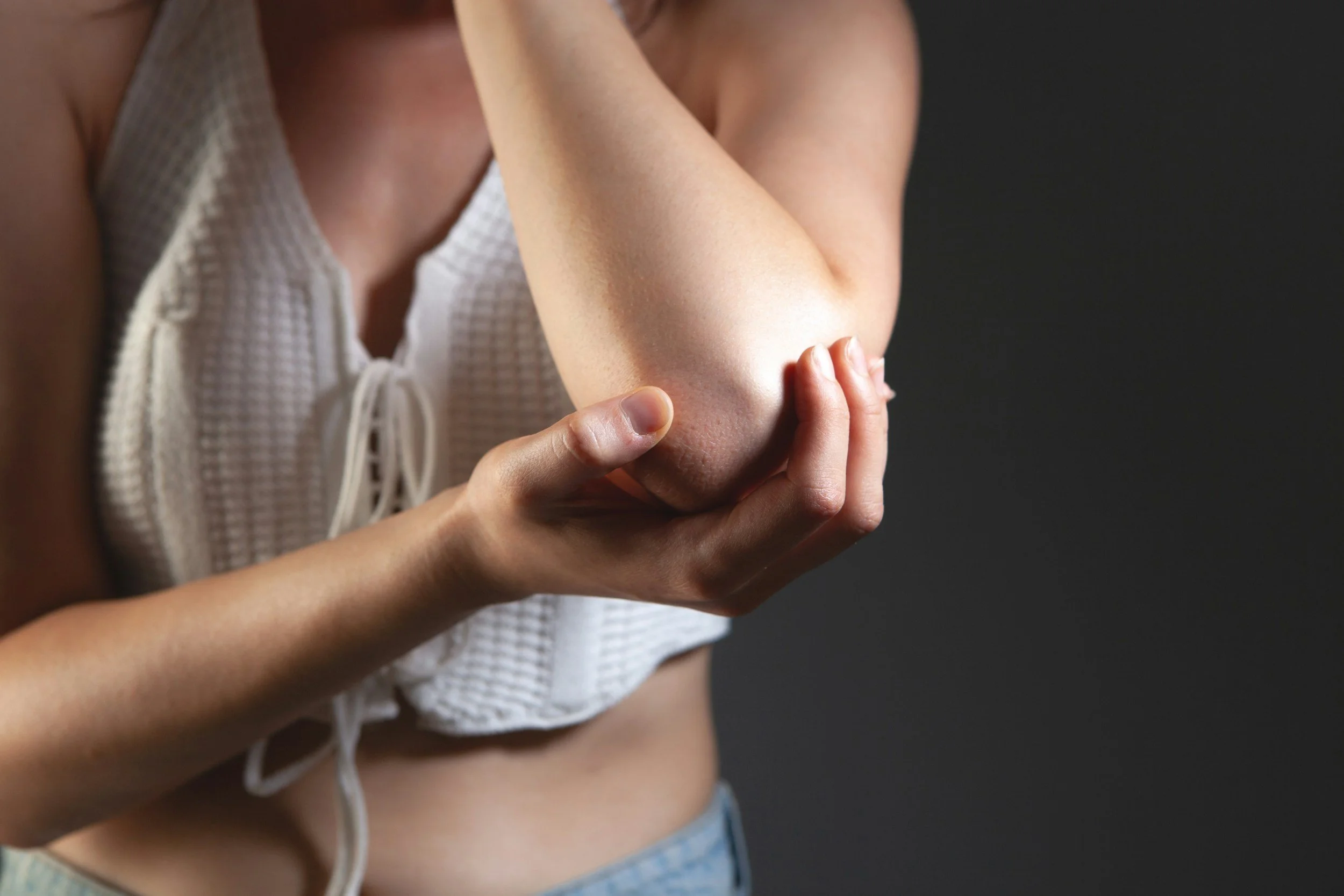
Tendon injuries are some of the most common conditions we see in the clinic, affecting runners, gym-goers, and active individuals.
Tendons are strong bands of connective tissue that attach muscle to bone and play a key role in transmitting force. This allows us to walk, run, jump, lift, and generate power.
Despite their strength, tendons can be sensitive to changes in load. Injuries often occur when activity levels increase too quickly or when the tendon is exposed to repeated stress without adequate recovery.
This might look like:
Increasing running distance too quickly
Returning to sport after time off
Starting a new gym program
Repetitive work tasks without conditioning
How Tendon Injuries Typically Present
Most tendon injuries share some common features:
Localised, pinpoint pain directly over the tendon
A “warm-up effect” where pain eases during activity
Symptoms that worsen after activity or the following day
Reduced strength or tolerance to load
The good news is that tendons respond well to the right type of loading.
At Kinima Physio, we focus on:
Identifying contributing factors
Modifying load without complete rest
Using objective testing to assess strength and capacity
Building progressive, evidence-based rehab programs
Guiding a structured return to activity
Complete rest is rarely the answer. Instead, we aim to find the “sweet spot” of loading that promotes adaptation without excessive flare-ups.
Elbow Tendinopathy (Medial and Lateral)
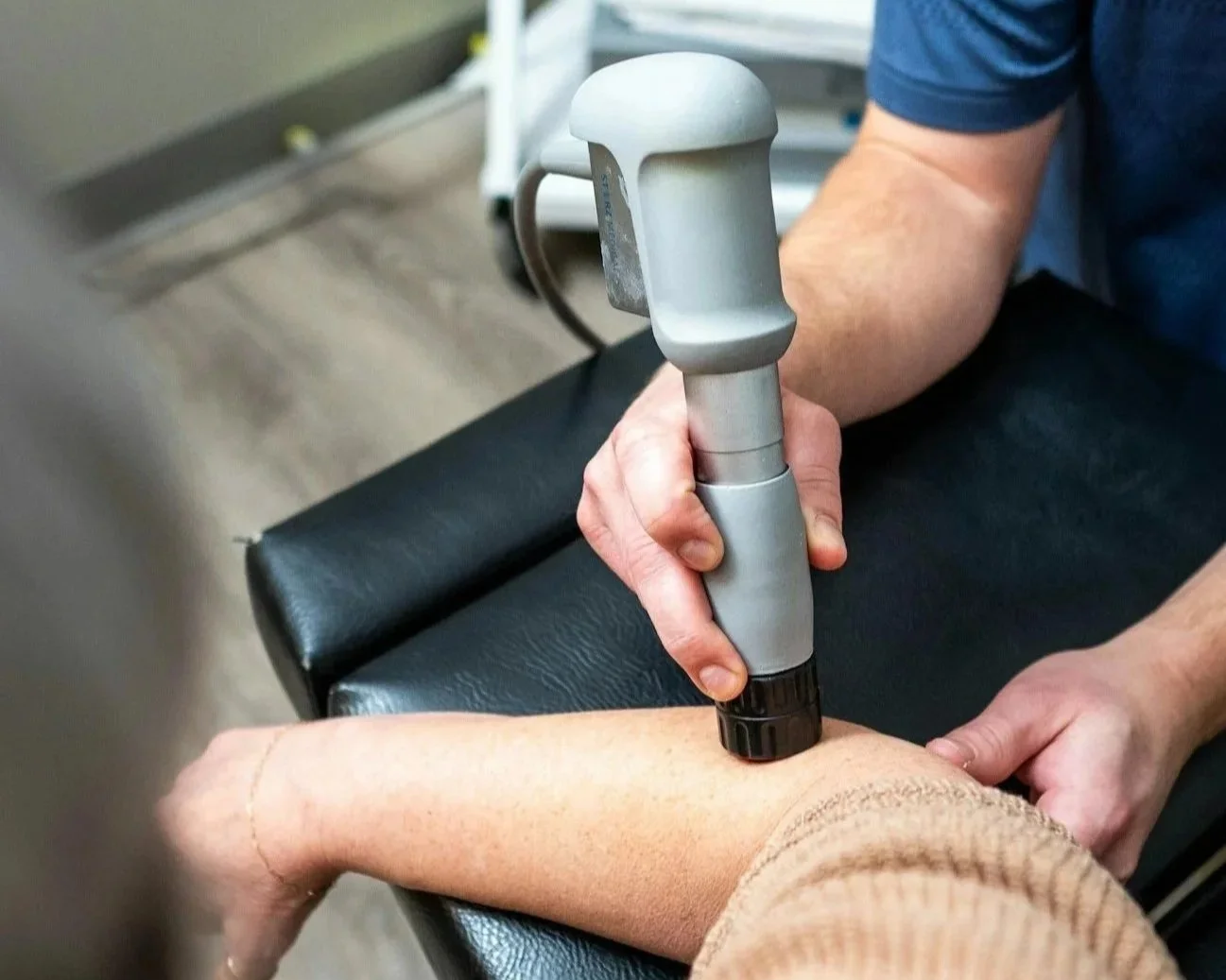
Elbow tendon injuries commonly affect either the wrist extensor tendon (lateral elbow) or wrist flexor tendon (medial elbow).
These muscles play an important role in gripping, lifting, and controlling wrist and forearm movements.
Common in:
Trade workers
Racquet sports
Throwing athletes
Gym training
Desk-based work
Common signs include:
Localised pain on the inner or outer elbow
Pain with gripping, lifting, or carrying
Symptoms that worsen after activity
Reduced strength with functional tasks
Gluteal Tendinopathy
Gluteal tendinopathy affects the tendons on the outside of the hip and is often mistaken for “hip bursitis”.
These muscles help stabilise the pelvis and control movement during walking, running, and single-leg tasks.
Common in:
Peri and post menopausal women
Recreational runners
Long distance walkers
Common signs include:
Pain on the outside of the hip
Pain with walking, stairs, or lying on the affected side
Discomfort with crossing legs
Reduced strength during single-leg tasks
Proximal Hamstring Tendinopathy
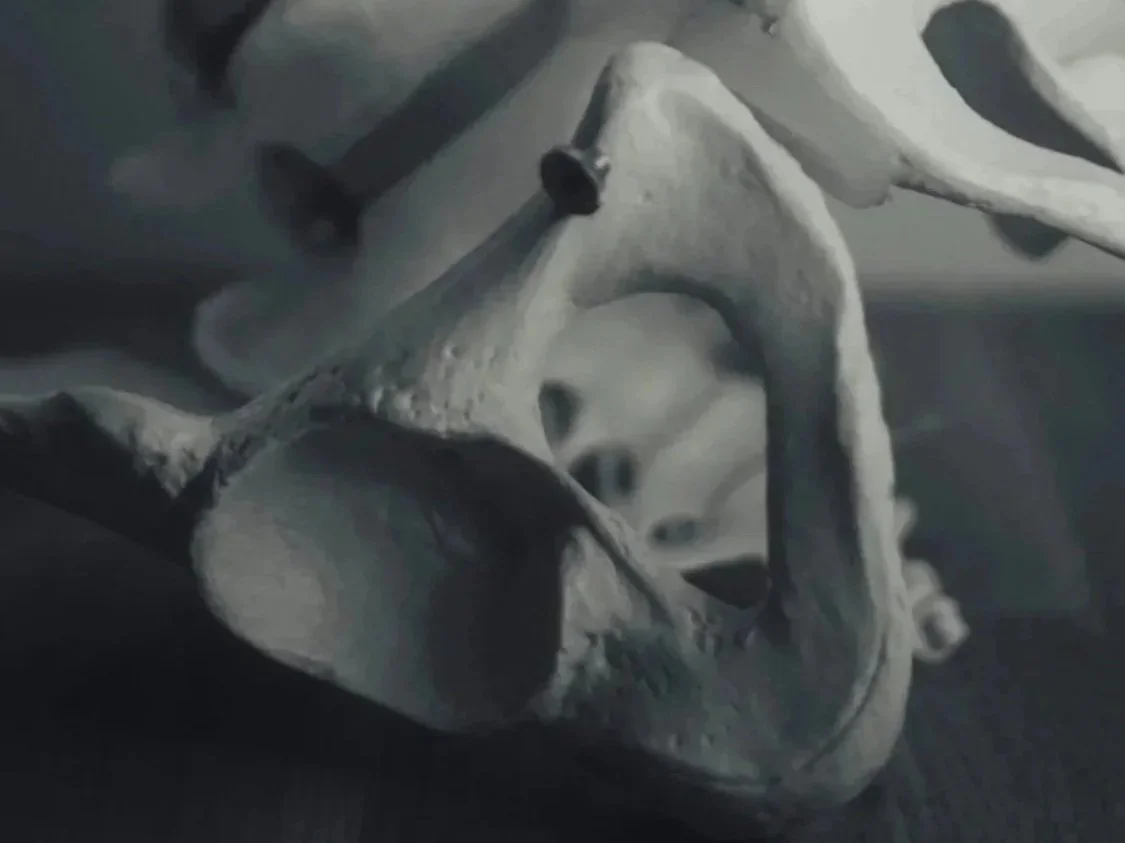
The proximal hamstring tendon attaches at the ischial tuberosity, often referred to as the “sit bone”.
This condition affects the tendon at the top of the hamstring, near the sit bone.
It plays an important role in controlling movement during running and stabilising the pelvis.
Common in:
Runners and track athletes
Field sport athletes
Individuals who sit for prolonged periods
Common signs include:
Pain in the lower buttock region
Pain with running, sprinting, or prolonged sitting
Symptoms that ease with movement but worsen later
Reduced hamstring strength
Patellar Tendinopathy (Jumper’s Knee)
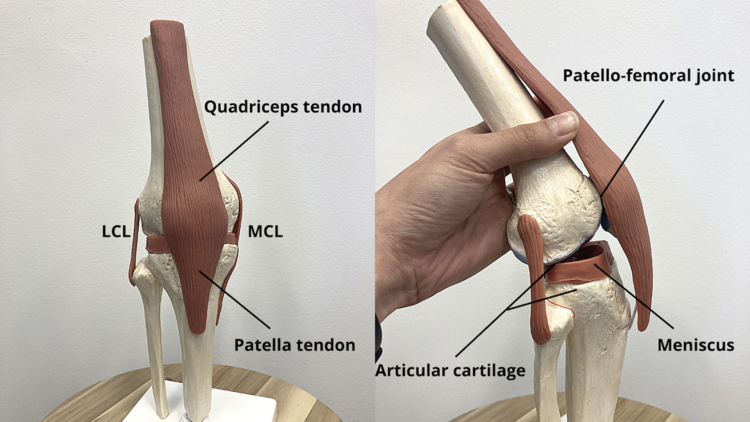
Patellar tendinopathy affects the tendon below the kneecap and is common in jumping and running sports.
It plays a key role in force transfer during movement and impact absorption.
Common in:
Court and field sport athletes
Track and field athletes
Common signs include:
Pain just below the kneecap
Pain with jumping, landing, or stairs
Warm-up effect during activity
Reduced strength and power
Achilles Tendinopathy (Mid-Portion and Insertional)
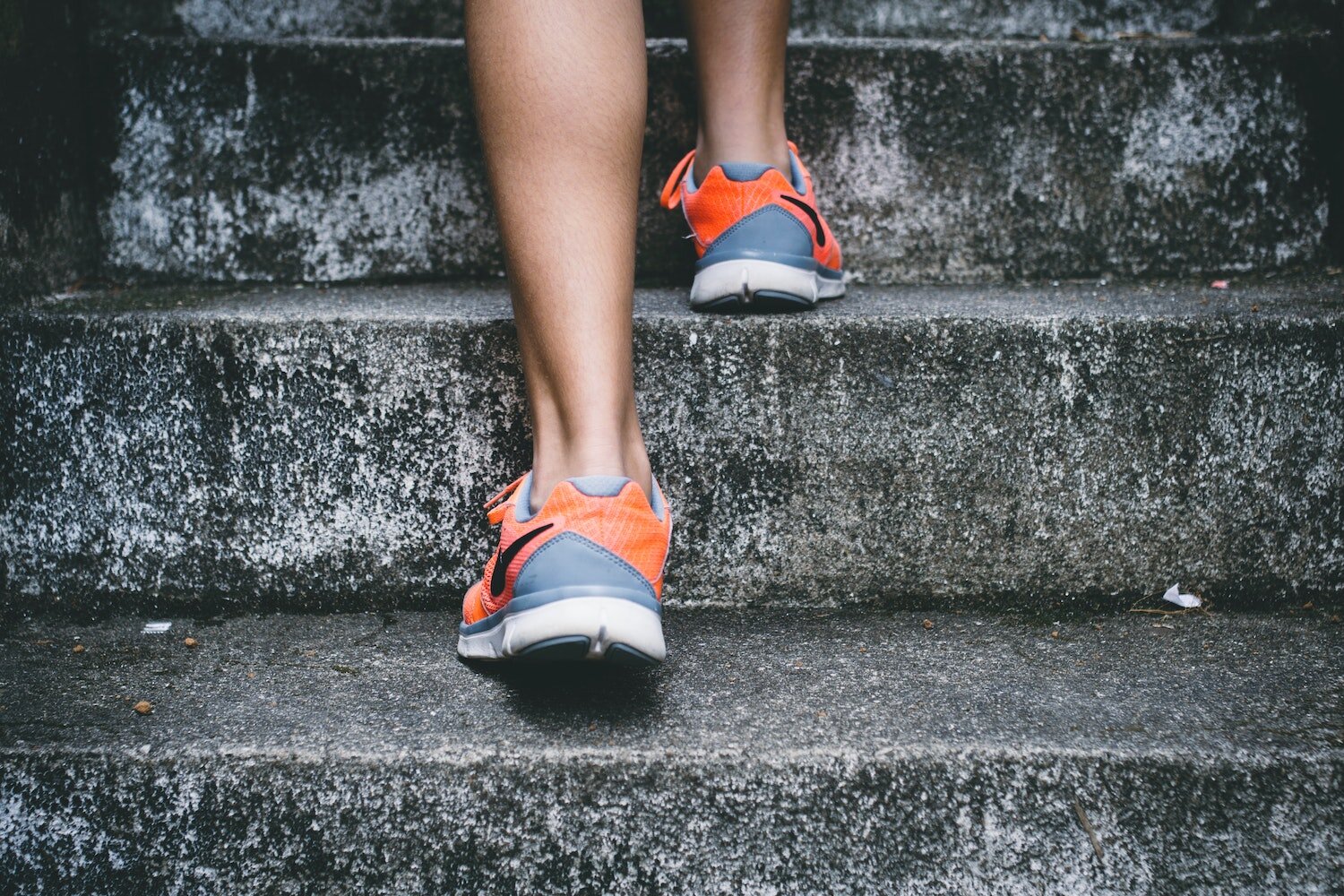
The Achilles tendon connects the calf muscles to the heel and is essential for walking, running, and jumping.
There are two main types:
Insertional (at the heel bone)
Mid-portion (slightly above the heel)
Each requires slightly different management.
Common in:
Runners
Court and field sport athletes
Gym-based training
Trade workers
Common signs include:
Localised pain in the tendon or heel
Pain with walking, running, or stairs
Stiffness, especially in the morning
Reduced calf strength and endurance
What Should You Do If You Have Tendon Pain?
If you’re dealing with tendon pain, the key is not to completely rest, but to manage your load and gradually rebuild strength.
A simple starting point includes:
Reducing activities that significantly flare your pain
Avoiding sudden spikes in training or load
Introducing controlled strength exercises
Monitoring how symptoms respond over 24 hours
Staying active where possible without worsening symptoms
In some cases, physiotherapy may also include adjunct treatments such as manual therapy, dry needling, or shockwave therapy to help manage symptoms and support your rehabilitation alongside an exercise-based approach.
If symptoms are persisting, limiting your activity, or not improving over time, it’s worth getting assessed.
A physiotherapist can help identify the contributing factors, guide your loading, and build a structured plan to support recovery and return to activity.
Final Thoughts
Tendon injuries are common, but with the right approach, they are highly manageable.
The key is:
Understanding your load
Building strength progressively
Addressing symptoms early
With structured rehabilitation, most people can stay active while recovering and return to full performance over time.
Written by Janelle Juse
Physiotherapist, Kinima Physio
Janelle has a strong interest in exercise-based rehabilitation and helping individuals manage tendon-related injuries. She takes a structured, progressive approach to loading, helping clients build confidence and return to meaningful activity.
Janelle consults from our Kinima Physio Gwelup clinic, working with clients from Gwelup, Stirling, Innaloo, Karrinyup and surrounding northern suburbs.